0
Skip to Content
AMIE REDPATH Artist
Selected Works
Ancestors
Why Stone
Expedition 1.1
Perspectives
On Material
On Form
On Function
On Listening
On Lineage
On Ancestral Knowing
In Conversation
Recognition
Stockists
Adornments
Objects
Sculpture
Contact
Commissions
Home
AMIE REDPATH Artist
Selected Works
Ancestors
Why Stone
Expedition 1.1
Perspectives
On Material
On Form
On Function
On Listening
On Lineage
On Ancestral Knowing
In Conversation
Recognition
Stockists
Adornments
Objects
Sculpture
Contact
Commissions
Home
Folder: Selected Works
Back
Selected Works
Ancestors
Why Stone
Folder: Expedition Notes
Back
Expedition 1.1
Folder: Perspectives
Back
Perspectives
On Material
On Form
On Function
On Listening
On Lineage
On Ancestral Knowing
In Conversation
Folder: About
Back
Recognition
Stockists
Folder: Shop
Back
Adornments
Objects
Sculpture
Folder: Contact
Back
Contact
Commissions
Home
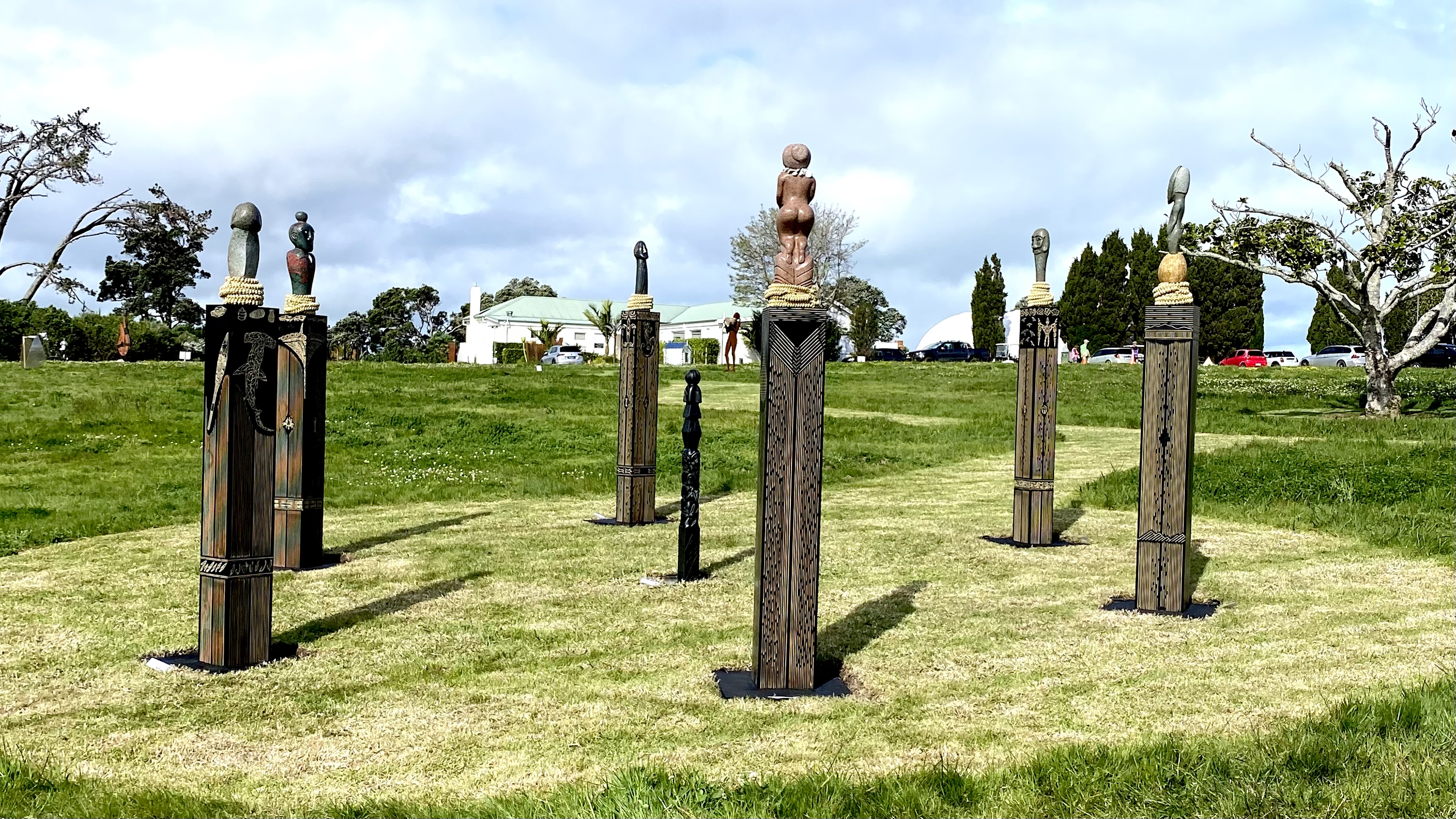
Council Of Ancestors, Sculpture on the Shore 2023. Auckland, NZ. POA. See Description Below.
Council Of Ancestors, Sculpture on the Shore 2023. Auckland, NZ. POA. See Description Below.

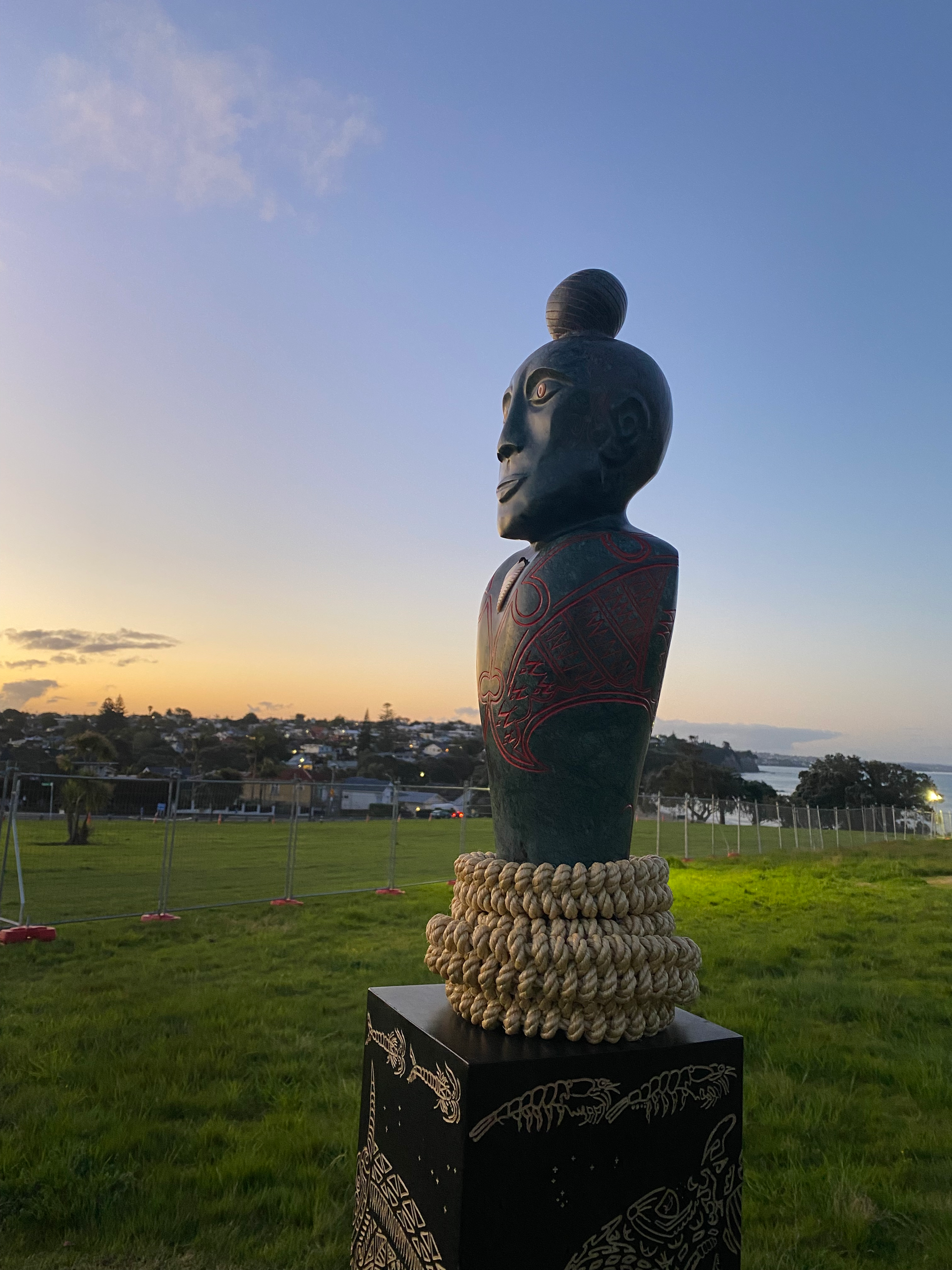
Cloaked Chief, Council of Ancestors, 2023. Serpentine.
Cloaked Chief, Council of Ancestors, 2023. Serpentine.

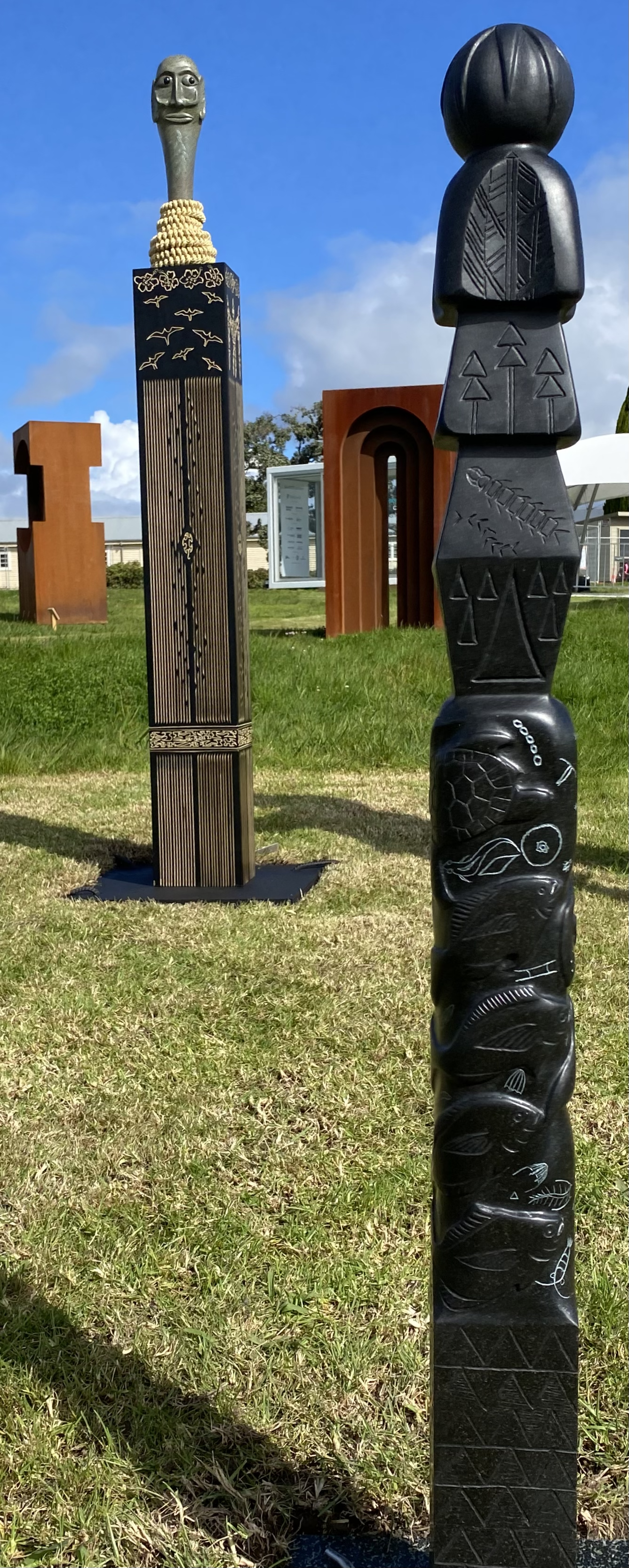
Talking Stick, Council of Ancestors, 2023.             Black Granite, POA.
Talking Stick, Council of Ancestors, 2023. Black Granite, POA.

Masked Chief, Council of Ancestors, 2023. Andesite, Agate. POA.
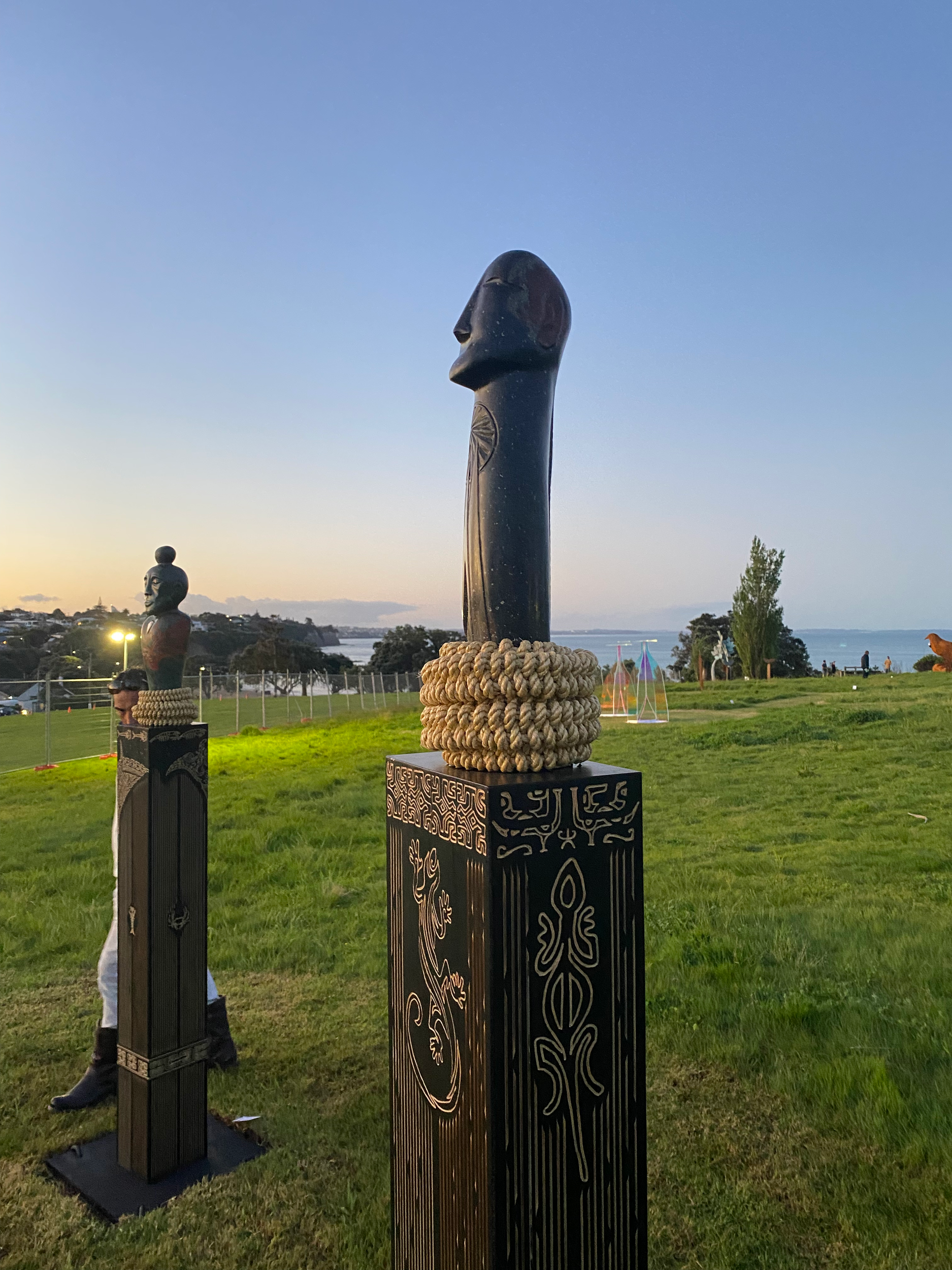
Masked Chief, Council of Ancestors, 2023. Andesite, Agate. POA.

Common Chief, Council of Ancestors, 2023 POA
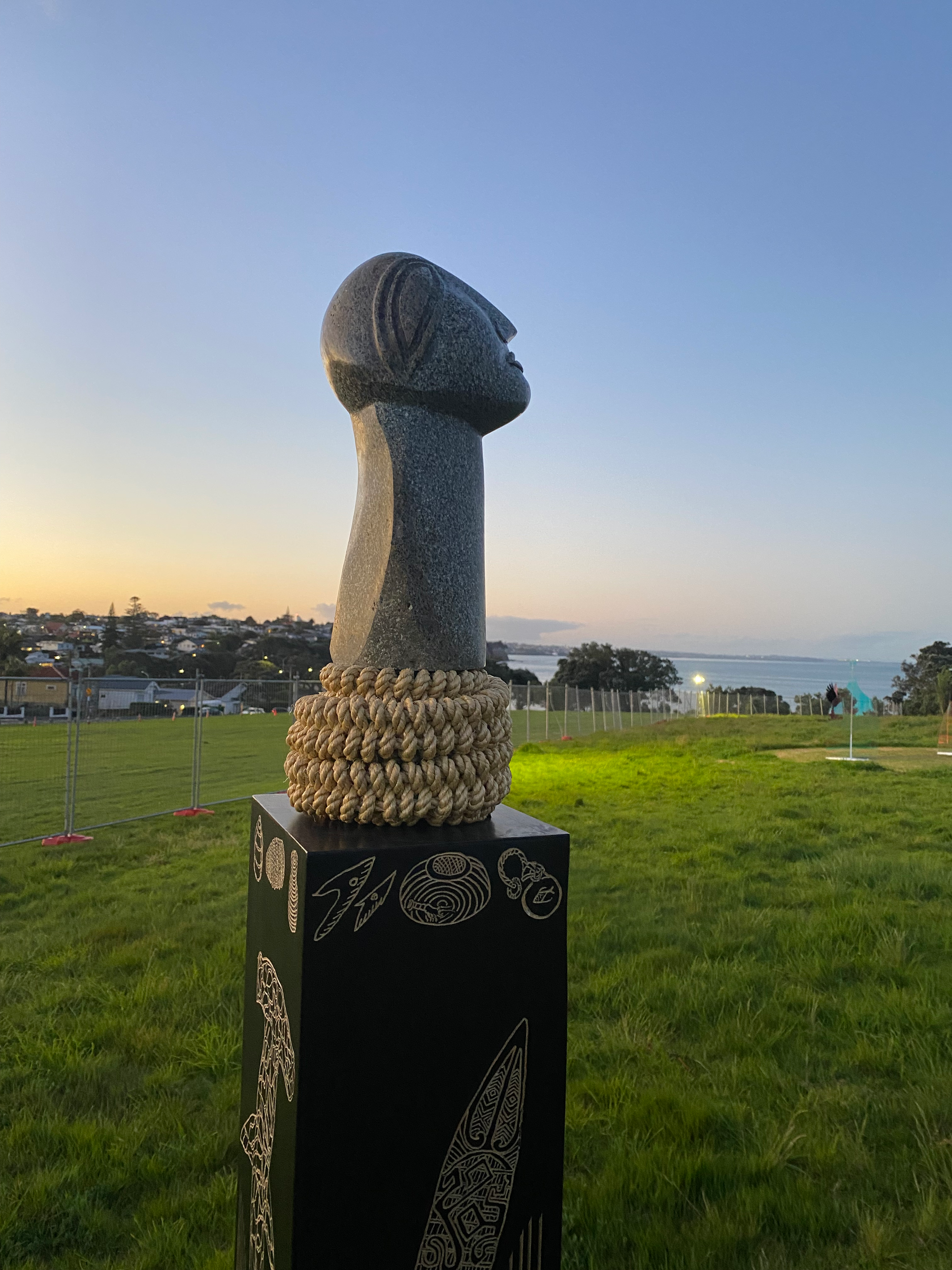
Common Chief, Council of Ancestors, 2023 POA

Cook Islands Chief, Council of Ancestors, 2023. Andesite, POA.
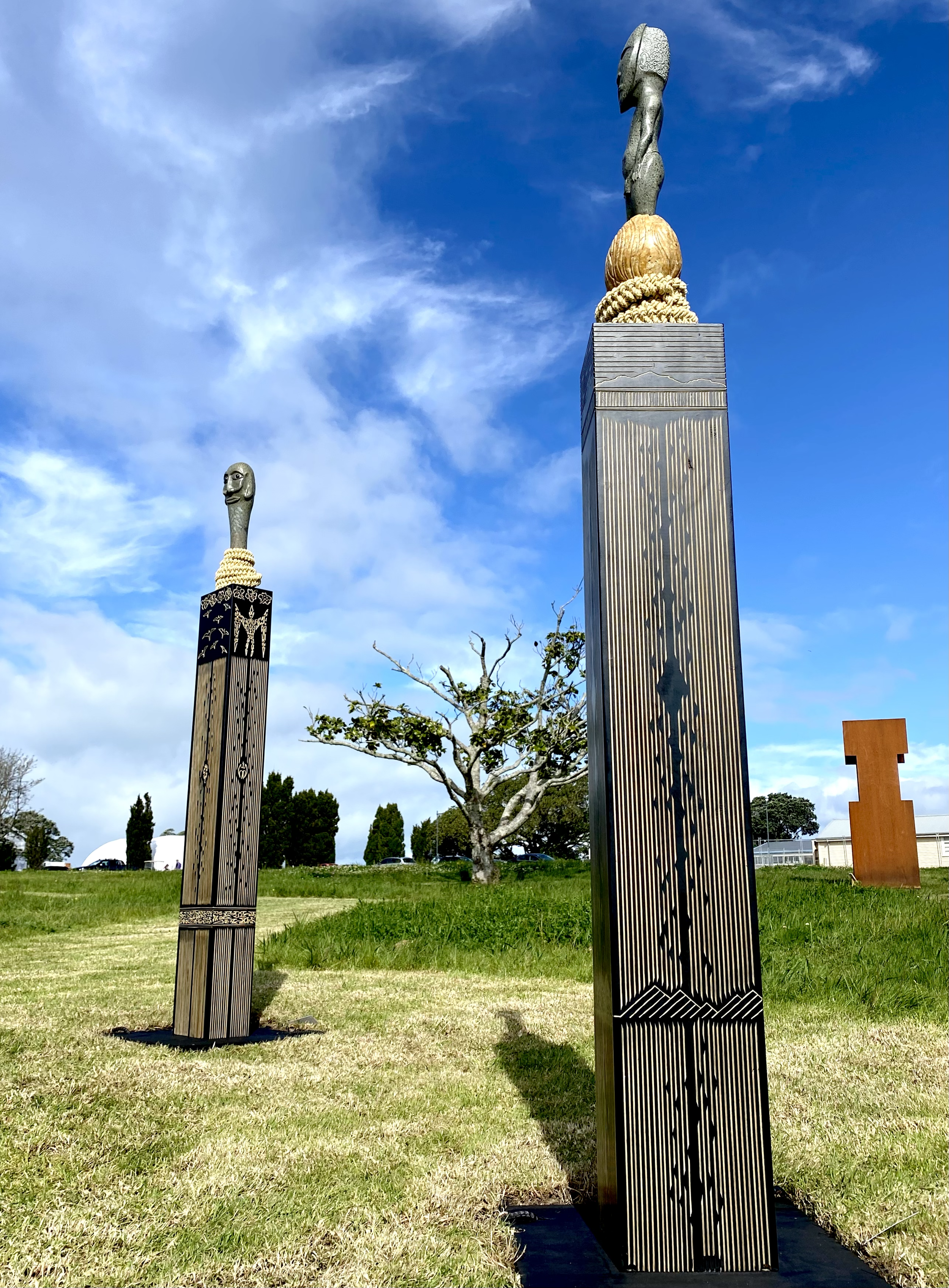
Cook Islands Chief, Council of Ancestors, 2023. Andesite, POA.

Council of Ancestors, 2023.
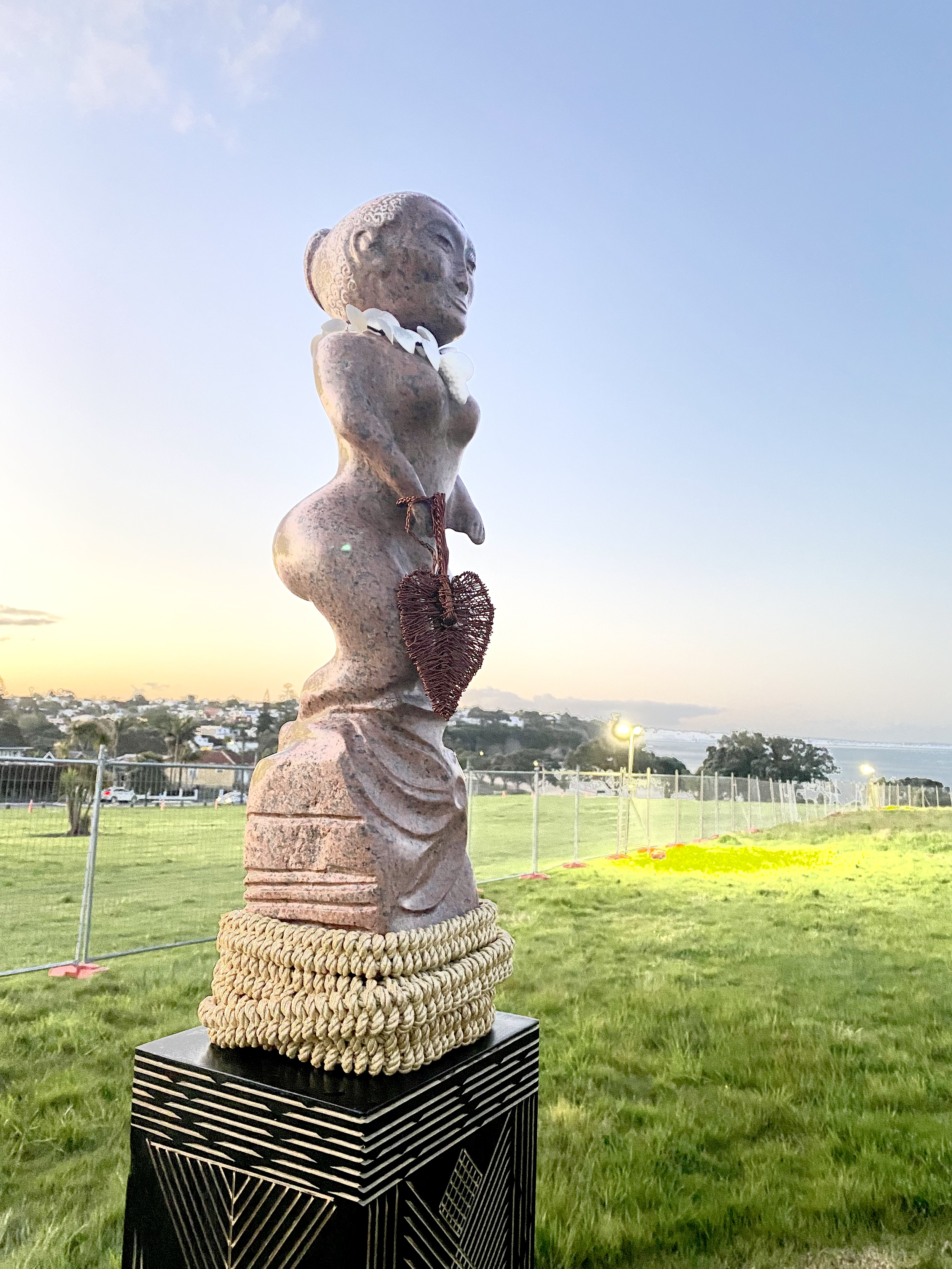
Council of Ancestors, 2023.

She IS Chief, Council of Ancestors, 2023. 
Scottish Red Granite. SOLD.
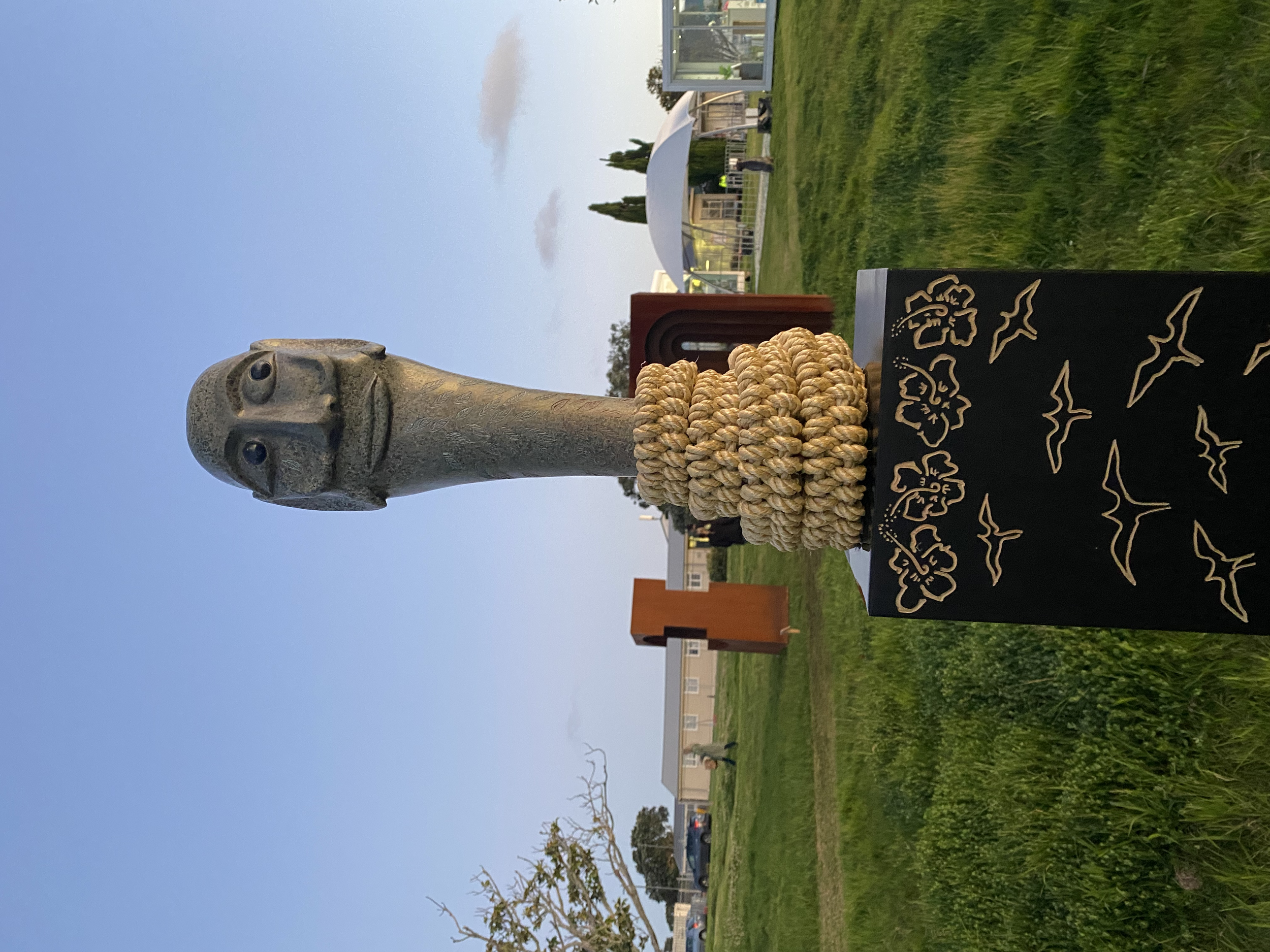
She IS Chief, Council of Ancestors, 2023. Scottish Red Granite. SOLD.

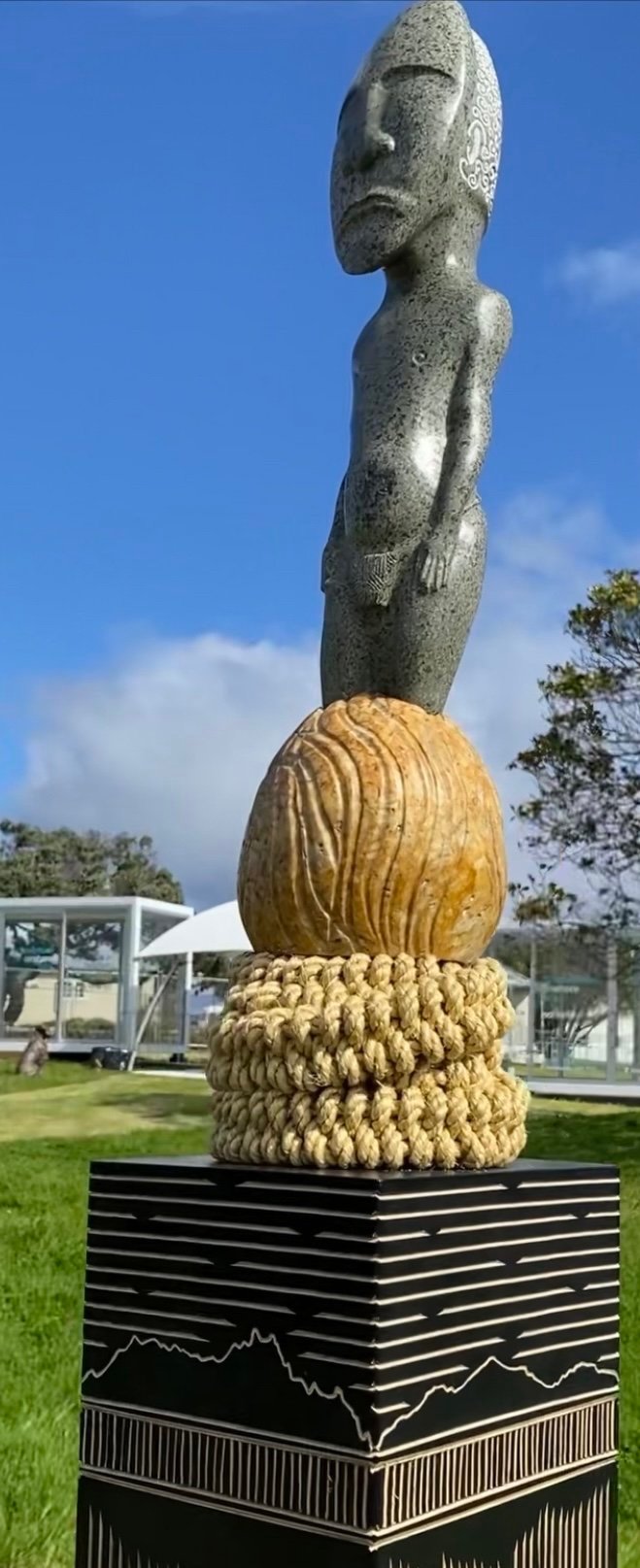
Easter Island Chief, Council of Ancestors, 2023. Andesite, POA.
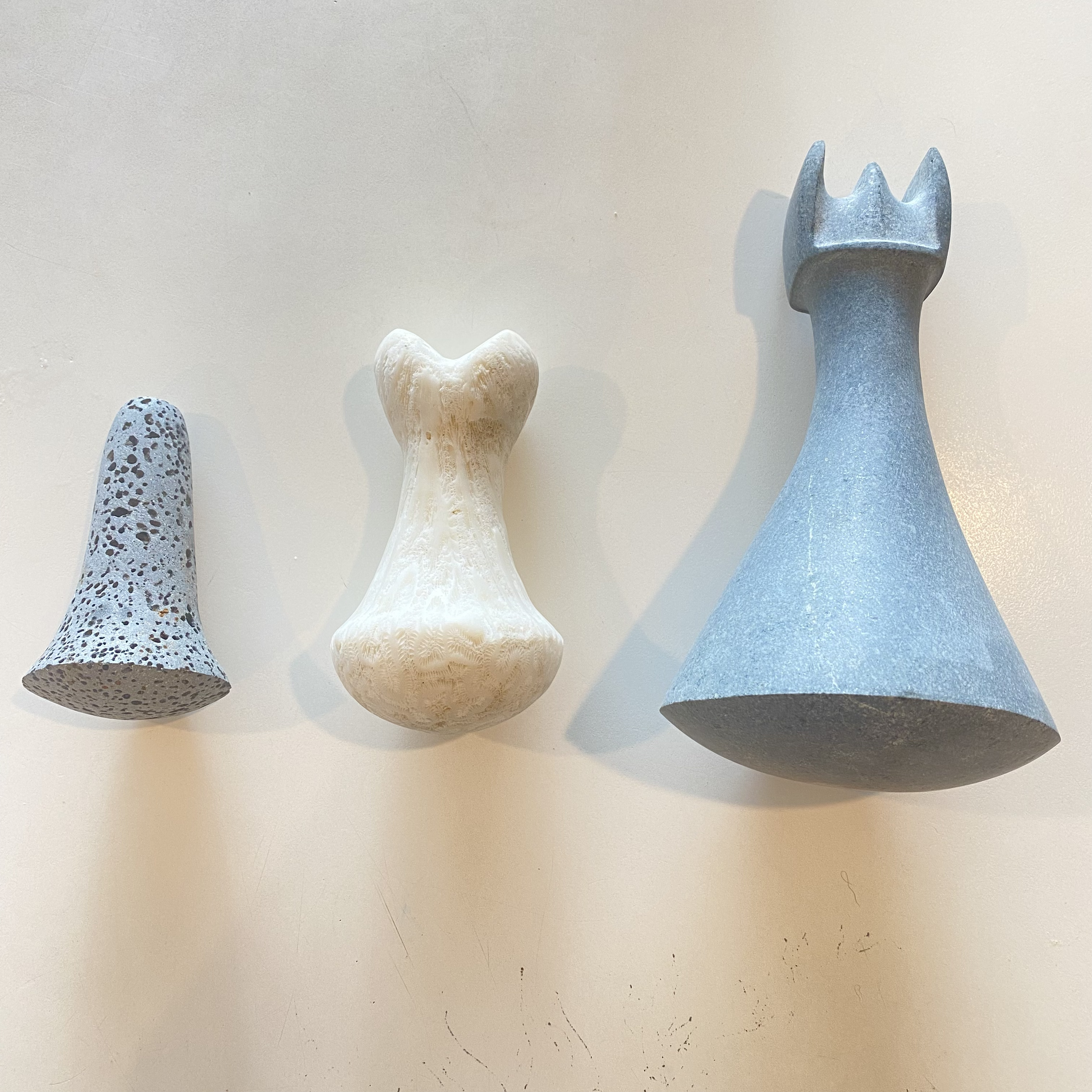
Easter Island Chief, Council of Ancestors, 2023. Andesite, POA.

Custom pounder for a private collection, 2023.
Basalt, Coral, Andesite.
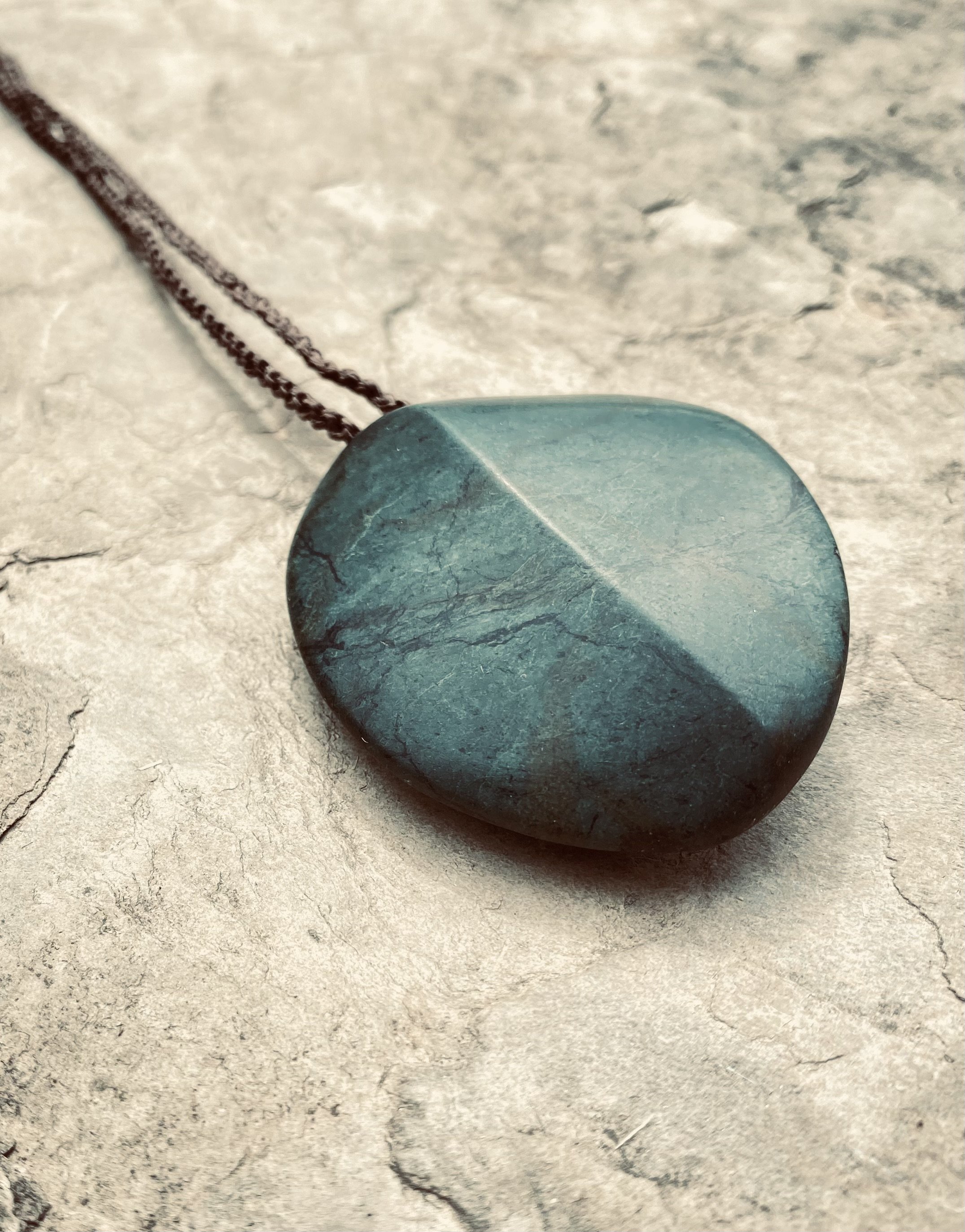
Custom pounder for a private collection, 2023. Basalt, Coral, Andesite.

Tradtional Scraper Necklace, 2021.
Argillite (pakohe).
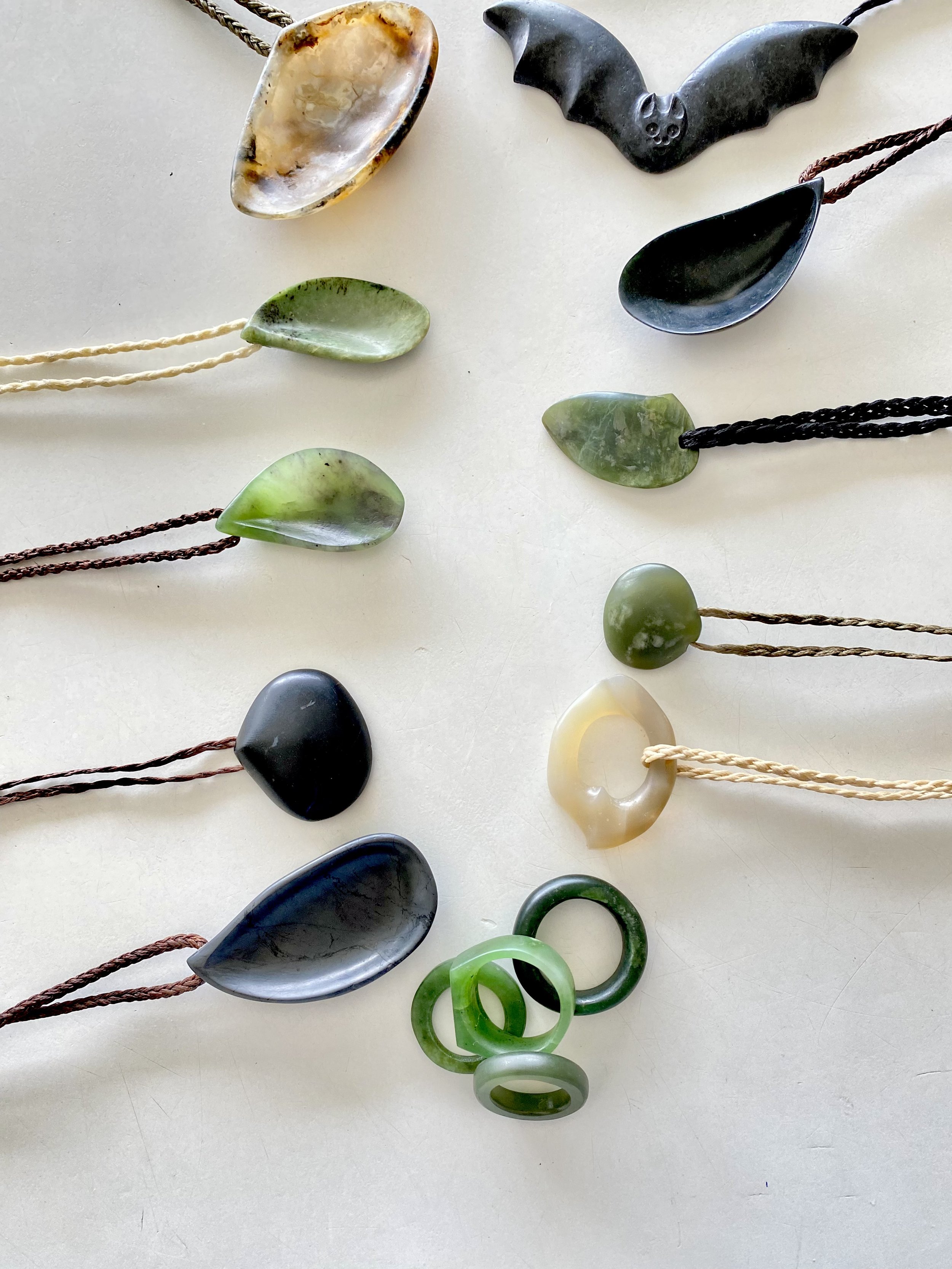
Tradtional Scraper Necklace, 2021. Argillite (pakohe).

Mussel, Pekapeka, Whelk Ring and Tuatua Necklaces, 2023. Pounamu Rings, 2022.
Agate, Pounamu, Argillite(pakohe), Australian Black Jade.

Mussel, Pekapeka, Whelk Ring and Tuatua Necklaces, 2023. Pounamu Rings, 2022. Agate, Pounamu, Argillite(pakohe), Australian Black Jade.
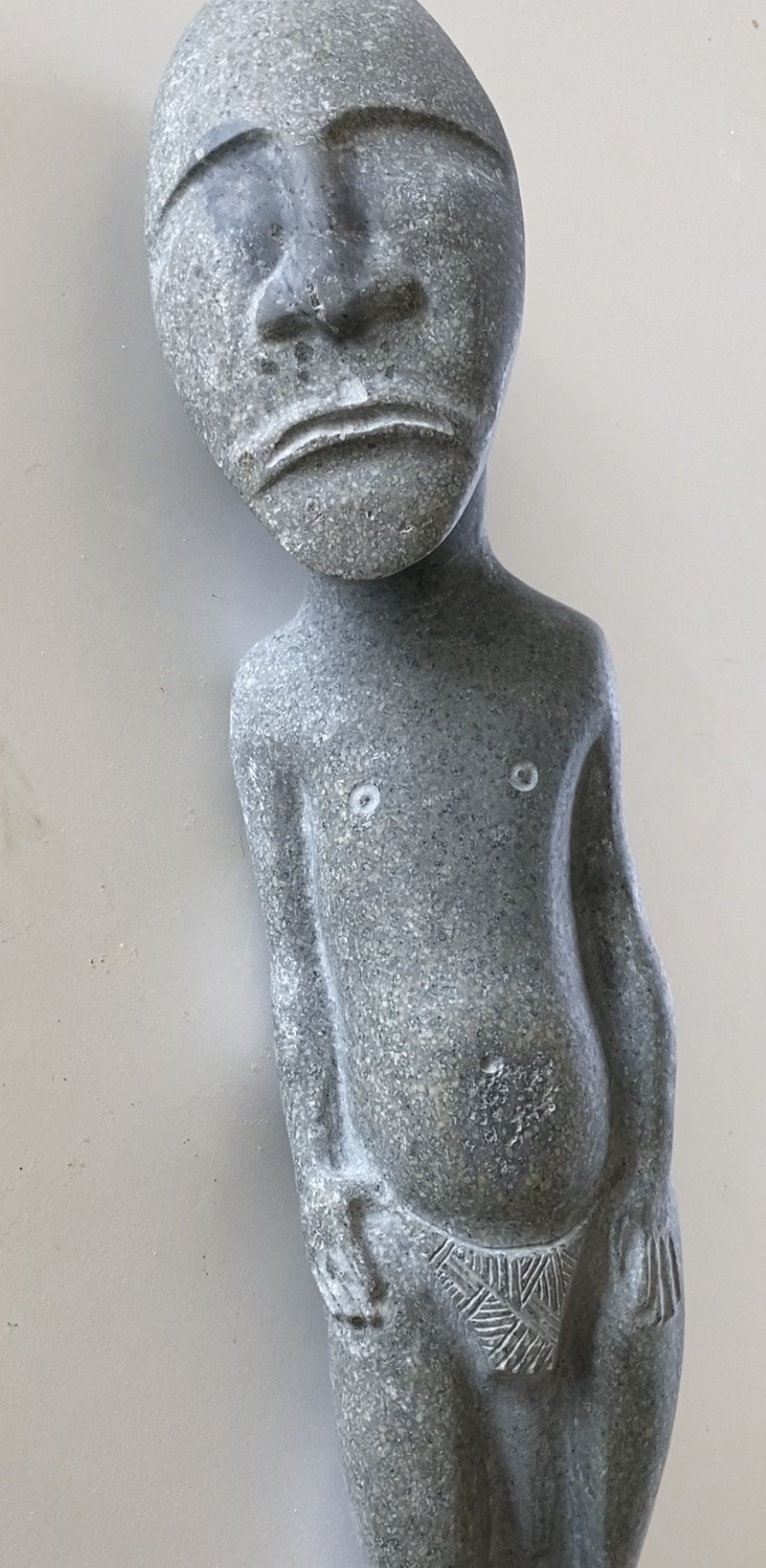
Masked Chief, Council of Ancestors, 2023.
Andesite, 500 x 140 x 80mm. POA.
Masked Chief, Council of Ancestors, 2023. Andesite, 500 x 140 x 80mm. POA.

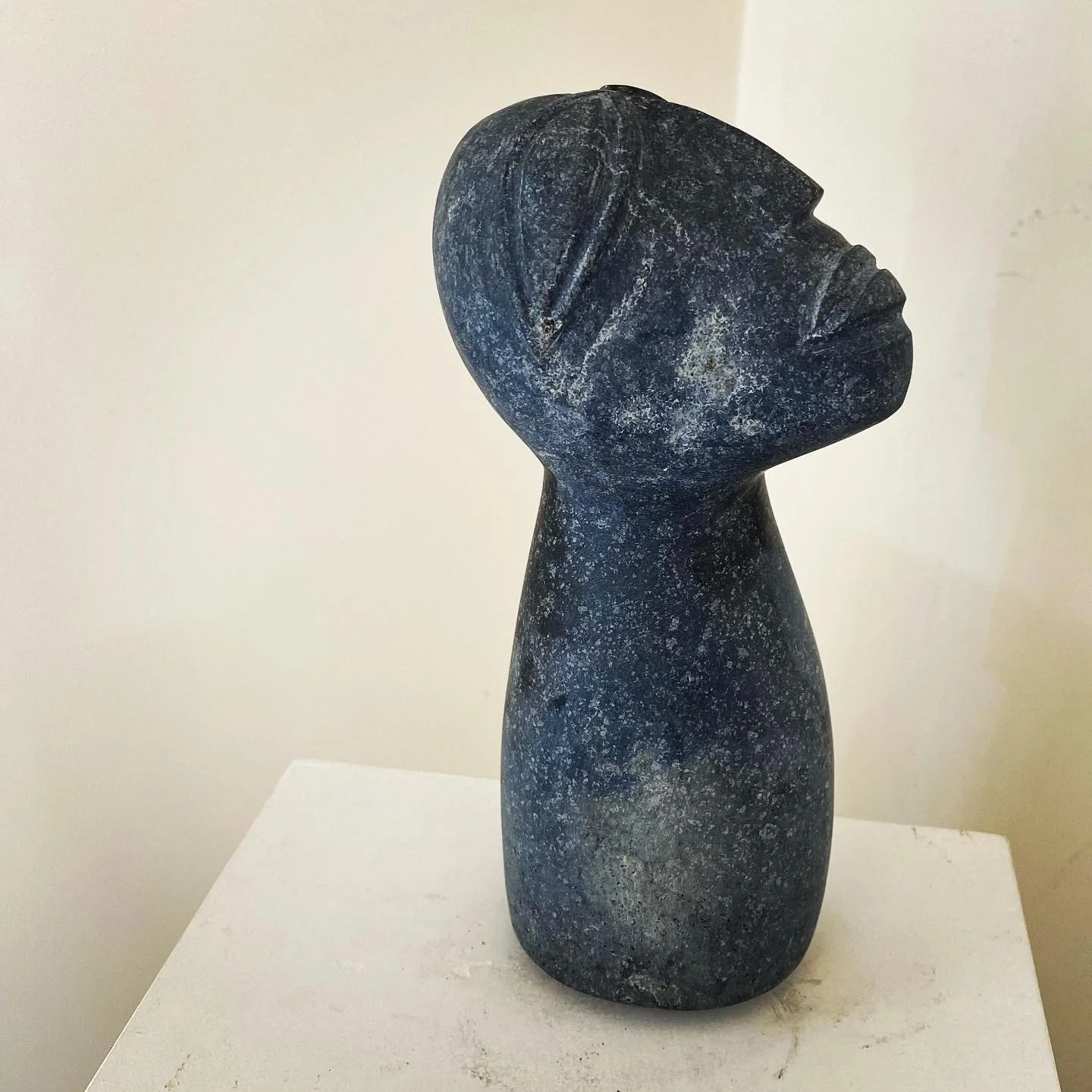
Cook Islands Ancestor, 2023. Private Commission. Andesite. 240 x 150 x 120mm.
Cook Islands Ancestor, 2023. Private Commission. Andesite. 240 x 150 x 120mm.

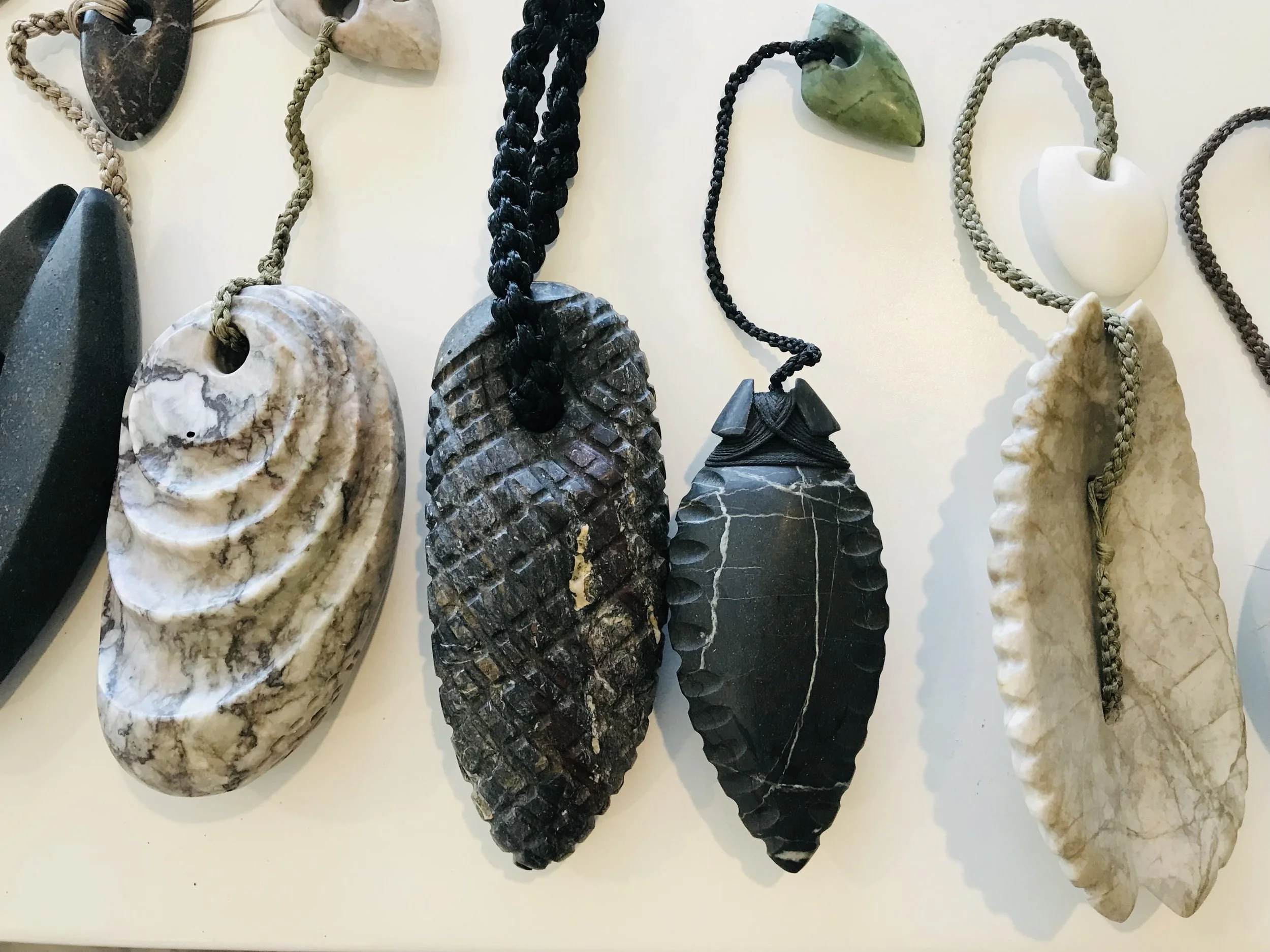
Mahe Collection, 2021.
Basalt, Marble, Quartzite,  Marble, Agate.
Mahe Collection, 2021. Basalt, Marble, Quartzite, Marble, Agate.

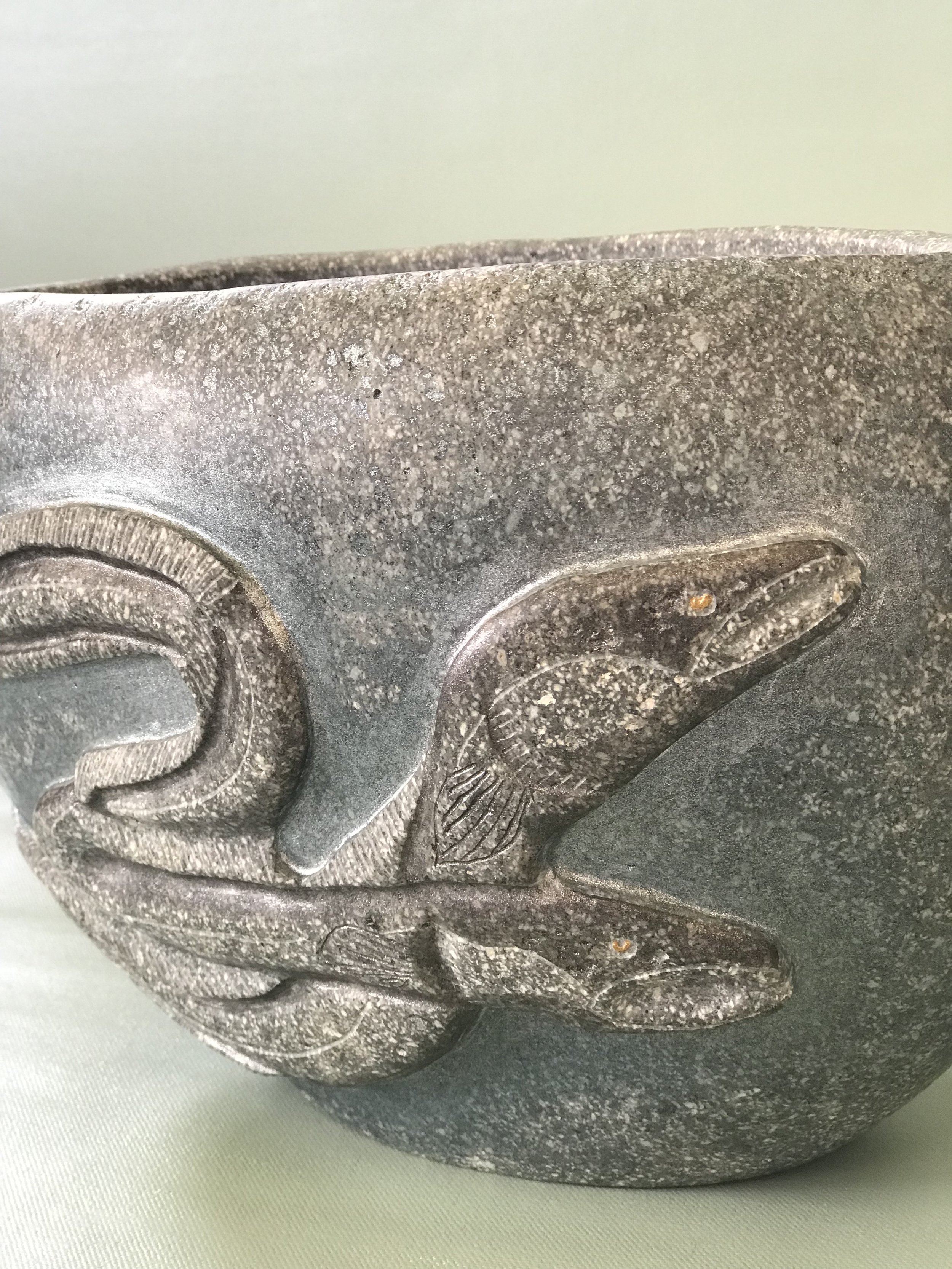
Mystery of Eeels, Vessel, 2021.
Eels in Relief. Andesite, Metallic Acrylic.
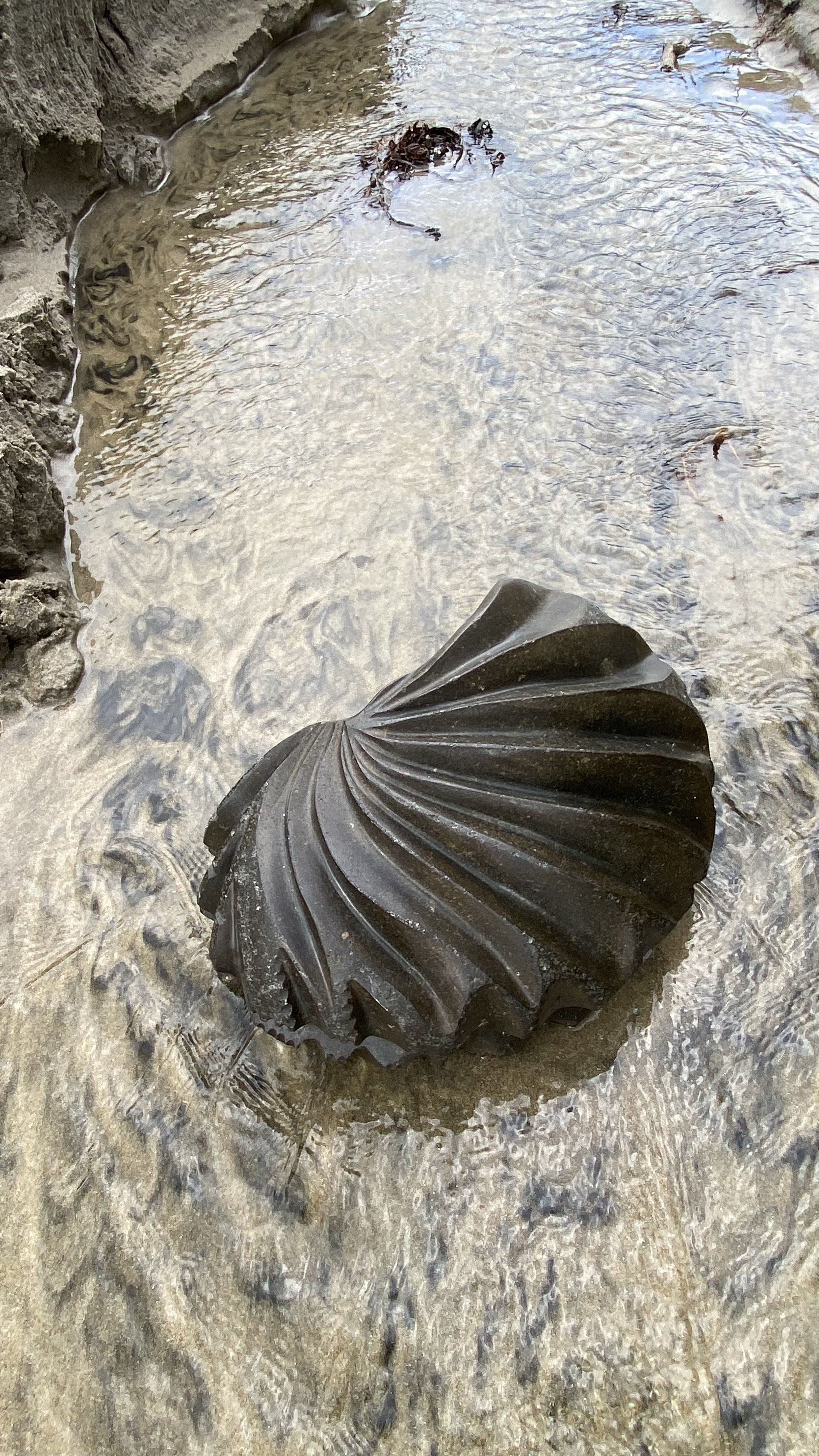
Mystery of Eeels, Vessel, 2021. Eels in Relief. Andesite, Metallic Acrylic.

Nautilus Shell Vessel, 2020.
Basalt. 430 x 220 x 360mm.
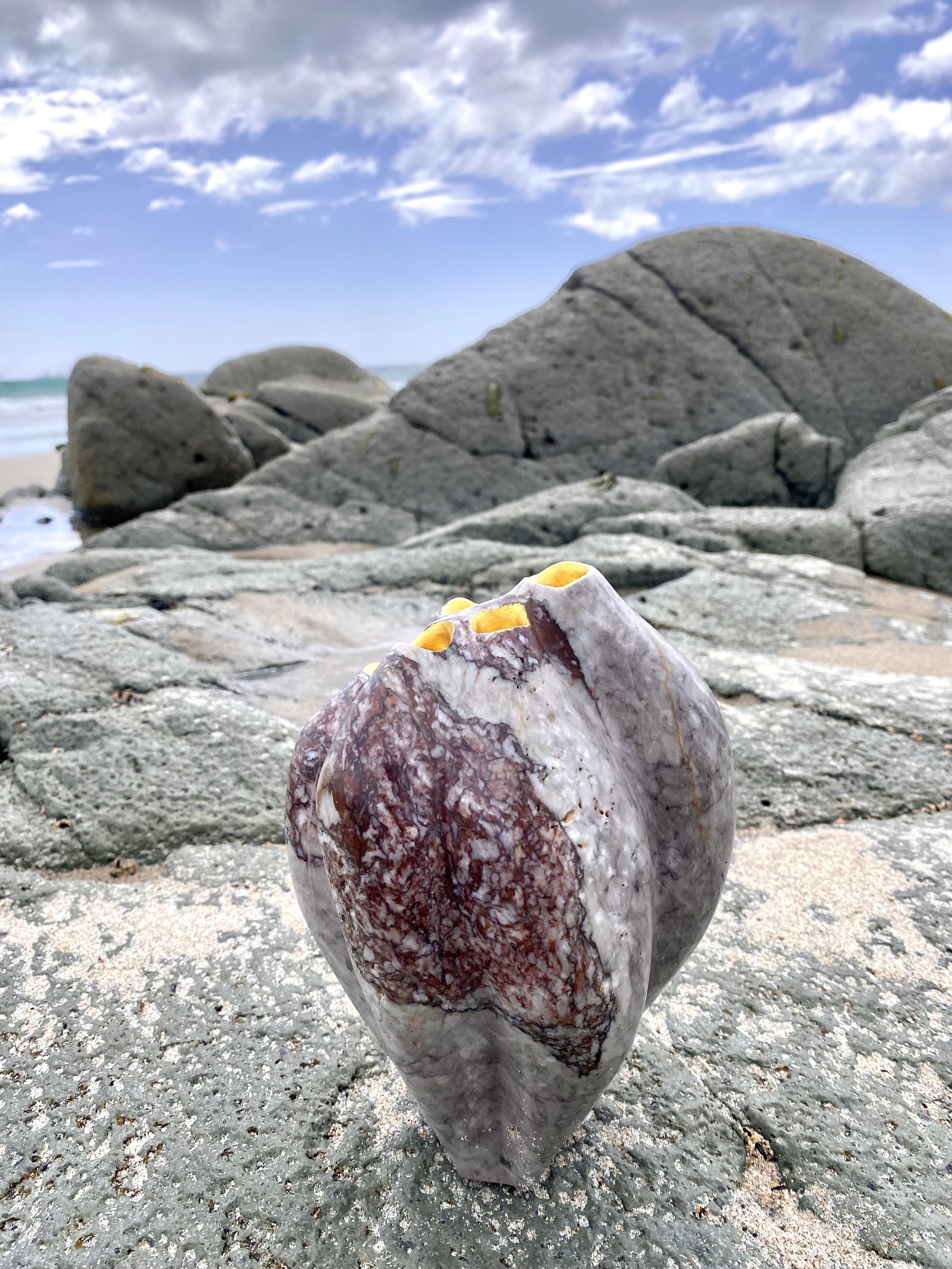
Nautilus Shell Vessel, 2020. Basalt. 430 x 220 x 360mm.

Leucettusa Lancifer. 2022.
Marble, Gold Enamel. 180 x 140 x 110mm.
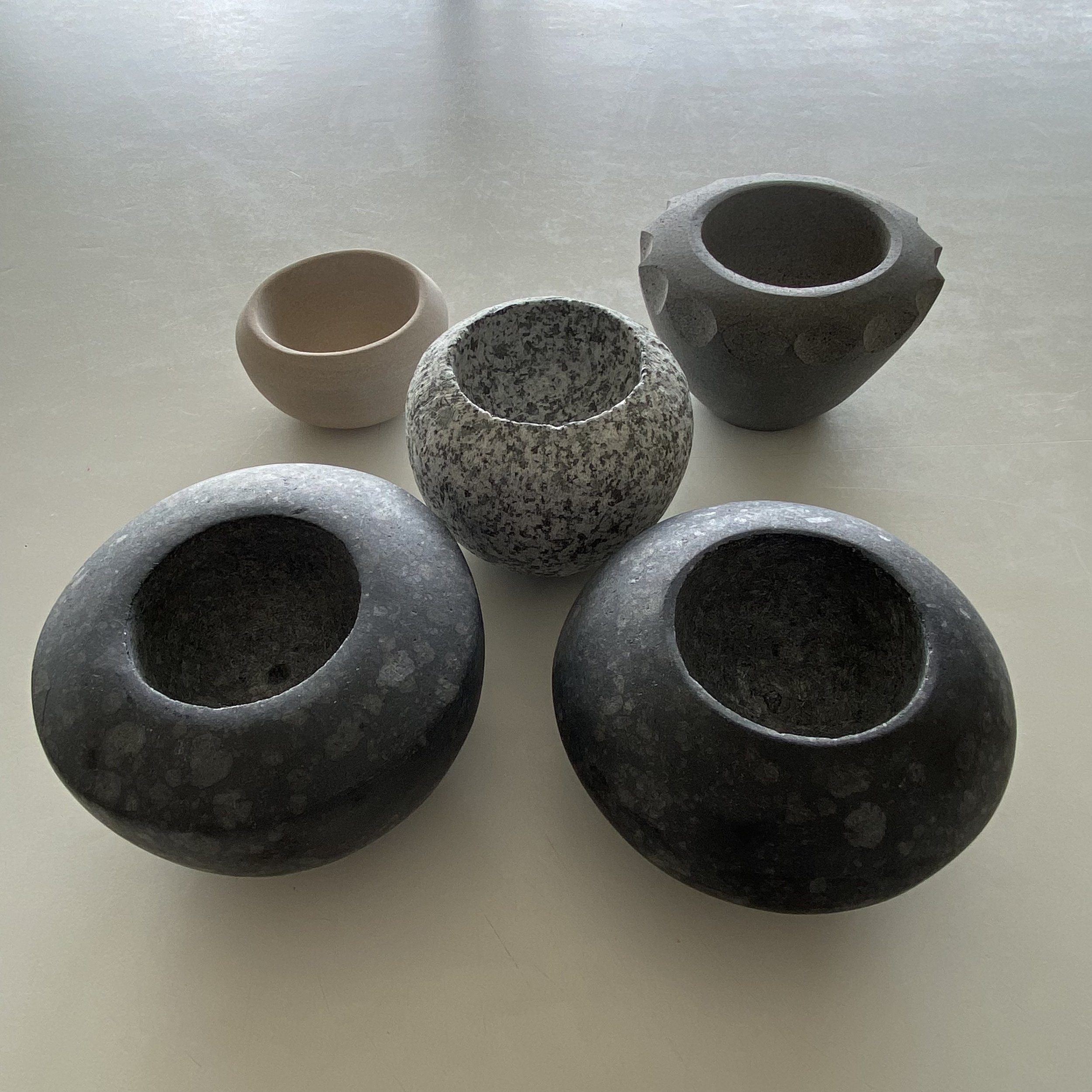
Leucettusa Lancifer. 2022. Marble, Gold Enamel. 180 x 140 x 110mm.

Tattoo Bowls, 2023. 
Basalt, Granite, Sandstone. 100 x 60mm.

Tattoo Bowls, 2023. Basalt, Granite, Sandstone. 100 x 60mm.

EXPEDITION NOTES 1.1

STONE: THE ULTIMATE TIME TRAVELLER

“Stone remembers differently than we do.”

Why are some people drawn to stone?

I don’t remember deciding to become interested in stone.

I only remember looking down.

As a child growing up in Southland, I was always searching the ground. While other children looked towards the horizon, I was drawn to what lay beneath my feet. I wasn’t taught to collect rocks. No one suggested it as a hobby. It was simply instinct.

I was always looking for the different stone.

Looking back, perhaps that was the beginning of everything.

Not carving.

Curiosity.

When did my fascination with rocks and fossils begin?

By the age of eleven I had begun collecting fossils along Te Waewae Bay.

They fascinated me because they seemed impossible.

Shells that had become stone.

Creatures that had disappeared long before humans existed, yet remained patiently beneath the surface until someone noticed them.

I continued collecting throughout my teenage years. Every walk became an opportunity to discover another fragment of deep time.

The collecting came before the carving.

The geology came before the sculpture.

The observation came before the making.

Can stone remember?

Not in the way humans remember.

We remember through stories, images and language.

Stone remembers through structure.

Pressure.

Heat.

Fractures.

Crystals.

Fossils.

A rock can hold evidence of an ocean that has disappeared, a volcanic eruption, the movement of mountains, the remains of a living creature, or the enormous pressures that transformed one kind of stone into another.

What appears silent can contain an extraordinary record of what has happened to it.

Stone remembers differently than we do.

Why do fossils fascinate us?

Perhaps because they collapse time.

Holding a fossil is holding evidence that another life once occupied this same planet.

A shell that became stone.

A creature that lived in an environment that may no longer exist.

There is something extraordinary about holding one in your hand and trying to imagine the world it belonged to.

Where was the coastline?

What did the landscape look like?

What lived here?

What happened between then and now?

A fossil makes an almost unimaginable stretch of time suddenly physical.

You can hold it.

What can a fossil tell us about deep time?

One discovery remains especially vivid.

Along the Shotover River, where the fault systems of the Southern Alps have folded and fractured the landscape, I found a remarkable fossil enclosed within mica schist.

The stone itself told a story of immense pressure. Dramatic zigzag fractures recorded geological forces that had folded and transformed the landscape.

Curiosity led me to the Geology Department at the University of Otago.

Together we carefully cut the specimen in half. I left one half with the department and kept the other.

The once-living organism had dissolved away, leaving only a dark brecciated impression.

Its body was absent.

Its presence remained.

That moment stayed with me.

It wasn’t simply the age that fascinated me.

It was the idea that stone could hold the memory of something that was no longer there.

Why do I still collect rocks?

The habit never disappeared.

I still walk looking towards the ground.

Today, living in Te Tai Tokerau, I continue to find small traces of the landscapes that existed here before our own.

Among the stones of Northland I have found fossils identified by a palaeontologist as sea lily stems preserved within marble.

Another discovery was the impression of a turret shell held within pale green andesite.

These discoveries are less about collecting objects than learning to notice.

A stone on the ground may appear ordinary until you look more closely.

Then suddenly there is a shell.

A crystal.

A fracture.

A structure that doesn’t quite make sense.

A clue.

Each one quietly reveals that every landscape has lived many different lives before our own.

How does stone record geological time?

Stone is often used as a metaphor for permanence.

But stone is not static.

It is continually being made and remade.

Rock is melted, fractured, buried, compressed, uplifted, weathered and carried away.

Mountains rise and erode.

Oceans become land.

Volcanic material becomes rock.

Living organisms become fossils.

Crystals grow inside cavities.

What appears solid and permanent is actually the result of immense movement, pressure, heat and time.

Every crystal marks a period of change.

Every fracture records an event.

Every fossil remembers life.

Every weathered surface speaks of time.

What is special about the andesite I carve?

The andesite I work with most often in Te Tai Tokerau began its journey beneath the sea.

Around twenty million years ago it formed through submarine volcanic activity before cooling, fracturing and slowly becoming part of the landscape that exists today.

It is an unusual stone, studied by geologists in New Zealand and overseas because of its mineralogy. Through its long geological history, further transformation allowed garnet crystals to grow within the volcanic rock.

Occasionally, when I cut into it, I discover small weathered cavities containing tiny violet crystals.

They seem almost impossible amongst the dark stone.

I never know exactly what I will find inside.

That uncertainty is part of working with stone.

The surface only tells you so much.

Inside may be another chapter entirely.

Does every stone have a story?

I believe so.

Every rock carries a biography.

Every crystal marks change.

Every fracture records movement.

Every fossil remembers life.

Every weathered surface speaks of time.

Perhaps this is one of the reasons I continue to collect stones wherever I walk.

I am not searching for raw material alone.

I am searching for stories already written by the Earth.

Stone is never simply a material.

It is history made visible.

What happens when we carve ancient stone?

Perhaps this is why I work in stone.

Not because it is permanent.

Nothing is.

But because stone occupies a different relationship with time than we do.

Our lives pass in decades.

Stone measures itself in millions of years.

When I begin carving a piece of stone, I am working with something whose story started unimaginably long before mine.

I haven’t created the material.

I haven’t determined everything that exists within it.

I encounter it somewhere along its journey.

Then I cut it, carve it, grind it and polish it.

A vessel appears.

A bowl.

A pendant.

A sculpture.

For a brief period, an ancient geological material carries the marks of my hands.

To carve stone is to enter a conversation already in progress.

Why make objects that may outlive us?

There is something I love about making objects that may outlast me.

So much of what we make and consume is temporary. Things are manufactured, used, discarded and replaced. Even many artworks are surprisingly fragile. Paper yellows, fabric breaks down, metals corrode, plastics become brittle.

Stone works on another timescale.

The bowl, the vessel, the pendant, the sculpture — if cared for, or sometimes even if they are not — may remain long after the circumstances of their making have disappeared.

I find that strangely comforting.

Perhaps in a hundred years someone will pick up one of my stone bowls.

Perhaps in five hundred years a pendant will be found in a drawer, beneath a floor, or somewhere completely removed from the life it originally belonged to.

The person holding it may know nothing about me.

They may not know where I lived, what my world looked like, or why I chose that particular piece of stone.

But they will still be able to see the marks of a human hand.

They might turn it over, feel its weight and wonder who made it and why.

There is something extraordinary about that possibility.

Because I do exactly the same thing when I find traces of another time held within stone.

I look at a shell that has become rock and try to imagine the sea it once lived in.

I hold a fragment of an ancient landscape and wonder what this place looked like before us.

Stone allows those different moments in time to touch.

Perhaps that is part of why I am drawn to carving it.

I am taking a material that has already travelled through immense stretches of geological time and making one small intervention in its journey.

I don’t think I became a stone artist.

Perhaps I simply remained the child who walked with her eyes on the ground.

The difference is that today, instead of taking the stones home simply to wonder at them, I carve them.

Not to change their story, but to continue it.

For a brief moment, the stone passes through my hands.

Then it continues.

And perhaps, somewhere far ahead of me, another pair of hands will pick it up and wonder.

amie@amieredpathartist.co.nz


+64 22 409 7797

Studio
Whangārei Heads, Te Tai Tokerau
Aotearoa New Zealand

Available worldwide.

Contact